-Edit.jpg)
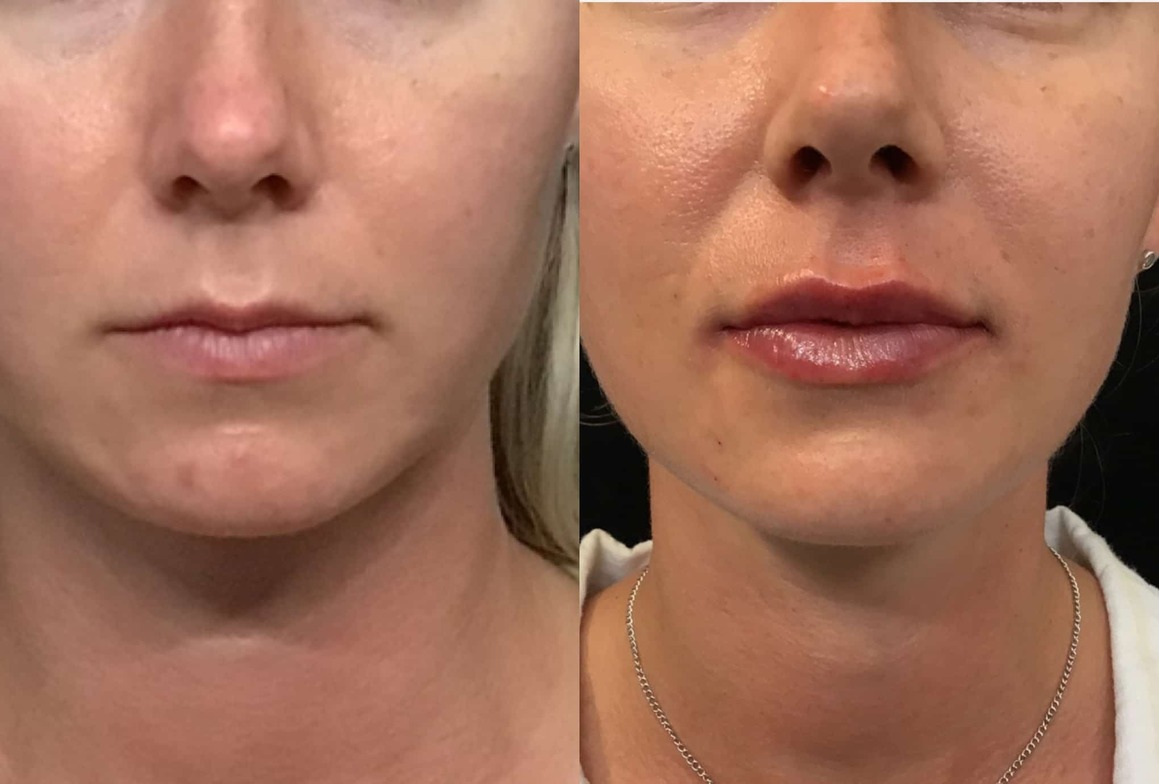
Lip filler is one of the most talked about treatments right now, and also one of the most misunderstood. Some people are looking for a little hydration and shape, others want more noticeable volume. Most fall somewhere in the middle. The truth is, good lip filler shouldn’t look obvious. It should look like you, just a little more balanced, a little more defined, or a little more refreshed.
What Lip Filler Actually Is
Lip filler is typically made from hyaluronic acid, a substance your body naturally produces and uses to retain moisture and support skin structure.
When placed correctly, filler can:
- Add subtle or moderate volume
- Improve shape and symmetry
- Define the lip border
- Smooth fine lines around the mouth
- Restore hydration to lips that feel thin or dry
It’s not just about making lips bigger. A lot of the time, it’s about structure, balance, and bringing things back to where they were.
The Consultation Is Where Everything Starts
This isn’t a “walk in and pick a size” type of treatment.
A good consultation looks at:
- Your natural lip shape
- Facial proportions
- Muscle movement when you talk and smile
- Skin quality around the lips
At Tailored to You Medical Aesthetics & Weight Loss Clinic, the focus is on building a plan that actually fits your face, not copying trends or overfilling. This is also where honesty matters. Not everyone needs filler, and not every lip needs more product. Knowing when to add and when to stop is part of doing this well.
Comfort Is a Big Part of the Process
One of the biggest hesitations around lip filler is pain, and it’s valid. The reality is, it’s not typically “painful” for most people, but it can feel uncomfortable at times.
We take comfort seriously here. That includes:
- A thorough numbing process before we start
- Taking our time instead of rushing the treatment
- Using distraction techniques during injections
- Offering ice packs and post-care products to help with swelling and recovery
And honestly, we’ve seen it all, headphones in, stress balls in hand, deep breathing, you name it. Whatever helps you relax, we’re here for it.
The goal is simple: keep you as comfortable as possible while still doing the treatment the right way.
The Approach: Natural, Balanced, and Thoughtful
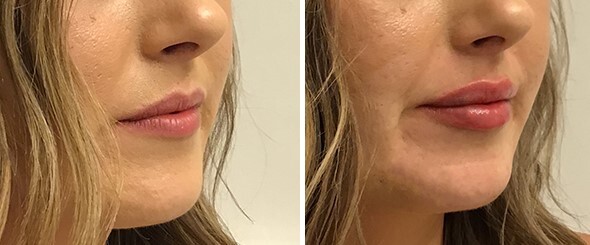
This is where experience really shows.
Shelly, NP, has a strong background in facial anatomy and a very intentional approach to filler. That means:
- Focusing on natural shape first
- Building slowly instead of overcorrecting
- Having open, honest conversations about goals
- Knowing when enough is enough
The goal isn’t to change your face. It’s to support what’s already there and enhance it in a way that still feels like you.
What Results Should Look Like
Good filler doesn’t walk into a room before you do.
Most clients are looking for:
- A smoother, more hydrated look
- Slightly fuller lips without losing natural shape
- Better balance between top and bottom lip
- A soft, natural finish
You should still recognize yourself, just a little more put together.
How Long It Lasts
Lip filler typically lasts 6–12 months, depending on your body and lifestyle.
Some people maintain regularly with small amounts, others let it fade and reassess later. There’s no one right schedule.
What to Expect After
Right after your appointment, swelling is normal. Lips may look fuller than expected at first—that’s part of the process.
Healing usually includes:
- Swelling for a few days
- Possible bruising
- Final results settling in around 1–2 weeks
We always recommend giving it time before deciding on more.
Not Everyone Needs Lip Filler
This matters.
Filler isn’t the answer for everything, and it shouldn’t feel like something you have to do. There are other ways to support the lips and surrounding skin depending on your goals.
That’s why the conversation comes first.
The Bottom Line
Lip filler, when done well, is subtle, intentional, and built around you—not a trend.
It comes down to education, communication, and a provider who knows when to add and when to stop.
If you’ve been thinking about it but aren’t sure where to start, the best first step is simply asking questions and getting a plan that actually makes sense for your face.
-Edit.jpg)
.jpg)