-Edit.jpg)
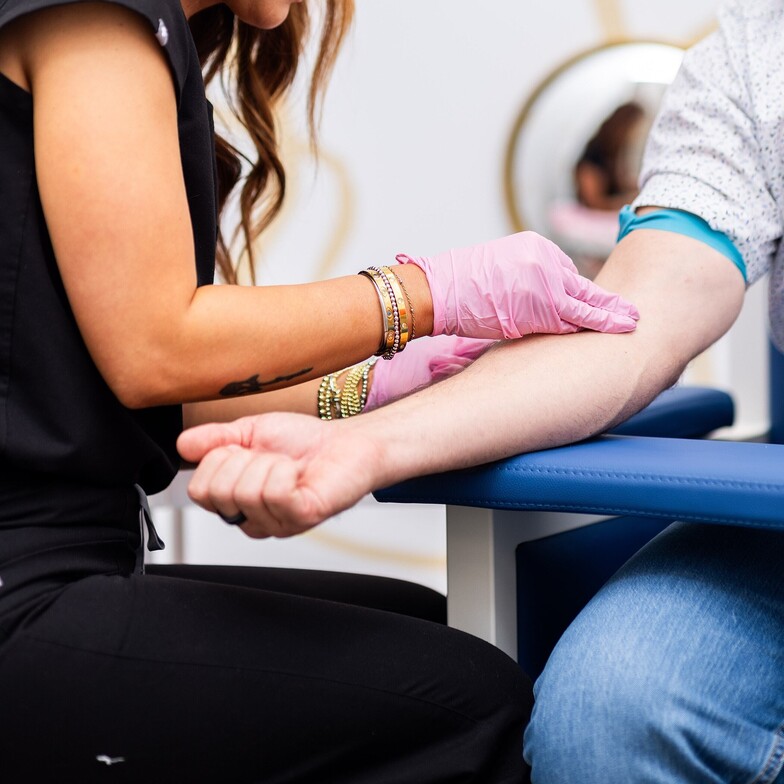
As the weather shifts, the sun starts showing up a little more than we’ve been used to. After months of winter, most of us aren’t thinking about how quickly it can add up, longer days outside, more events, more time in the heat, and it sneaks up fast. We start seeing more sunburns, more people feeling run down, and more of that “I don’t feel quite right” feeling that’s hard to explain but easy to ignore.
That’s exactly why we’re talking about this.
Not just IV therapy, but what’s actually happening in your body this time of year, and what you can do to stay ahead of it or support yourself while you’re in it. Because hydration, recovery, and how your skin responds to sun exposure are all connected. And there’s more than one way to take care of it.
IV hydration is one tool.
Daily hydration, electrolytes, and simple awareness are others. The goal isn’t to overdo anything. It’s to understand what your body is asking for, especially as we shift into warmer weather, so you don’t end up playing catch-up later.
What Heat and Sun Are Actually Doing to Your Body
When you’re in the sun or heat, your body is constantly trying to stay regulated. It does this through a few key mechanisms:
Fluid Loss Through Sweat
You’re not just losing water, you’re losing electrolytes like sodium and potassium.
These are critical for:
- muscle function
- nerve signaling
- maintaining proper fluid balance inside and outside your cells
When those drop, you start to feel:
- fatigue
- headaches
- dizziness
- slower recovery
Blood Flow Shifts to the Skin
Your body pushes more blood to the surface to help cool you down.
This process, called vasodilation, helps regulate temperature but also:
- shifts circulation away from your core temporarily
- increases fluid movement toward the skin
That flushed, overheated feeling isn’t random — it’s your body working.
Inflammation Increases
Sun exposure (especially UVB) causes cellular damage in the skin, triggering an inflammatory response.
This includes:
- increased blood flow
- immune system activation
- release of inflammatory mediators
This is what creates redness, heat, swelling, and tenderness.
What’s Really Happening in a Sunburn
A sunburn is essentially a controlled injury to the skin.
At a cellular level:
- UV radiation damages DNA in skin cells
- your body increases inflammation to respond
- fluid shifts toward the damaged area
- your skin barrier becomes compromised
That’s why you notice:
- tightness and dryness
- increased sensitivity
- peeling later on as damaged cells shed
At the same time, your body may also be:
- slightly dehydrated
- low on electrolytes
- actively repairing tissue
So while topical products help the surface, your body is still working underneath it.
Why Hydration Plays a Bigger Role Than You Think
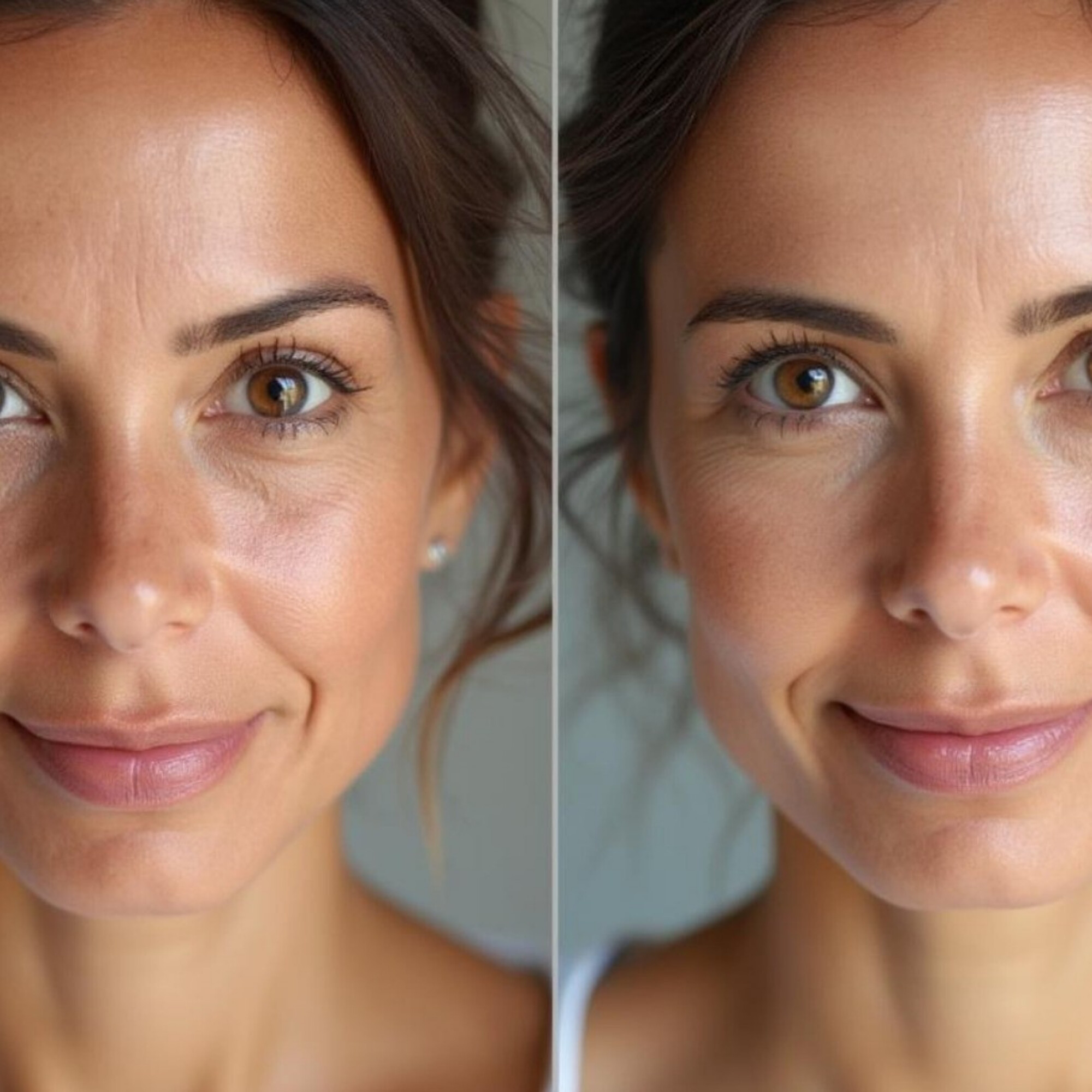
Hydration isn’t just about drinking more water. It’s about fluid balance at a cellular level. Your body relies on proper hydration to:
- maintain blood volume and circulation
- regulate temperature
- transport nutrients to tissues (including skin)
- support the skin barrier during repair
When hydration is off:
- circulation becomes less efficient
- recovery slows down
- skin feels more reactive or inflamed
- energy levels drop faster
This is why after long days in the sun, people don’t just feel dry, they feel depleted.
Where IV Hydration Therapy Comes In
IV hydration isn’t replacing water intake, it’s supporting your system when it’s already behind. Instead of going through digestion, fluids are delivered directly into circulation, allowing for:
- faster restoration of fluid levels
- more efficient electrolyte replenishment
- improved circulation during recovery
This can be helpful when someone is:
- dealing with heat exposure or long outdoor days
- feeling run down, nauseous, or fatigued
- trying to recover quickly before or after an event
- noticing signs of dehydration that water alone isn’t correcting fast enough
Important to understand:
IV therapy does not heal a sunburn. What it does is:
- support hydration
- help stabilize the body
- assist your system while it goes through its natural repair process
Why This Shows Up Around Events and Busy Seasons
This time of year stacks stressors quickly:
- more sun exposure
- less consistent hydration
- changes in routine, food, and sleep
- increased physical and social demand
Your body processes all of this at once.
That’s why people notice:
- skin not looking as calm or clear
- energy dipping faster than expected
- slower recovery after long days
Hydration plays a role in all of it.
What We Focus On at Tailored to You Aesthetics & Weight Loss Clinic
We keep this simple and realistic. We’re not here to overcomplicate things or overpromise results. We focus on:
- supporting your body where it’s at
- helping you feel better when you’re run down
- offering options that make sense for real life
That might look like:
- hydration support after a long weekend in the sun
- prepping your body before a big event
- helping you recover when you feel depleted
What to Watch For
Your body usually gives you signs before things escalate. Pay attention to:
- headaches after being outside
- fatigue that doesn’t match your activity
- skin feeling unusually tight, reactive, or irritated
- dizziness or that “off” feeling
These are early signs your system is trying to catch up.
Final Thought
Sunburn, heat exhaustion, and that run-down summer feeling aren’t separate issues. They’re all connected through:
- hydration
- inflammation
- how your body handles stress and recovery
The goal isn’t to avoid it. It’s to understand it, and support your body enough that it doesn’t fall behind.
-Edit.jpg)
.jpg)
